Pirate Hunter: The Adventure Font for Bold Designers
In the world of modern typography, a font doesn't just display words; it tells a story. For designers, marketers, and content creators looking to inject a sense of rugged adventure into their work, Pirate Hunter offers a distinct voice. This isn't just another decorative typeface; it is a premium font crafted to evoke the gritty, high-stakes atmosphere of pirate lore. If you are working on a project that requires immediate visual impact and a narrative-driven aesthetic, understanding the capabilities of this typeface is essential.
Visual Character and Typographic Personality
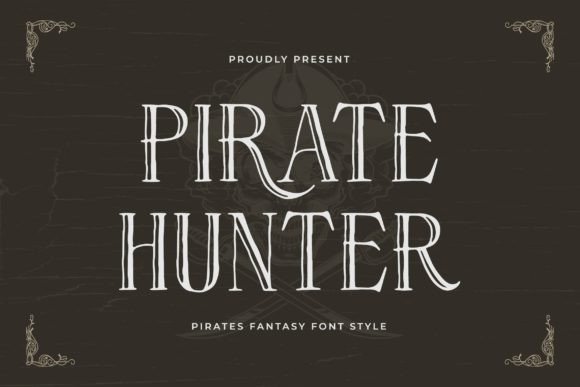
At its core, Pirate Hunter is a display font that leans heavily into the fantasy genre. It captures the essence of adventure through its structural design. Unlike a standard serif font used for body text or a clean sans serif font for corporate interfaces, this typeface features rough-hewn edges, weathered textures, and a bold silhouette that suggests history and action. It is a creative font that balances legibility with stylistic flair, making it versatile enough for headers without becoming illegible.
The visual weight of Pirate Hunter makes it an excellent choice for logo design where you want the brand name to feel established and authoritative. It avoids the fleeting trends of script font or handwritten font styles, opting instead for a timeless, rugged appeal. When you use Pirate Hunter, you are not just choosing letters; you are selecting a tone of voice that speaks to exploration, conflict, and discovery.
Strategic Applications for Creative Professionals
For small business owners and entrepreneurs, the challenge often lies in standing out. Pirate Hunter is particularly effective in specific niches where atmosphere is paramount. Consider its application in the following scenarios:
- Gaming and Entertainment: This font is ideal for game titles, user interface headers, or movie posters. Its fantasy roots make it a natural fit for role-playing games (RPGs) or period-piece marketing materials.
- Packaging Design: If you are a crafter or product developer selling artisanal goods, hot sauces, craft beers, or specialty coffee, Pirate Hunter can help establish a rugged, hand-crafted brand identity. It works exceptionally well on labels where shelf presence is critical.
- Editorial Design: Bloggers and publishers can utilize this typeface for chapter headings, pull quotes, or feature article headers in magazines or digital zines focused on travel, history, or fiction.
- Digital and Print Assets: From social media graphics to merchandise, the font holds up well across various mediums. It creates high-contrast visuals that stop the scroll on platforms like Instagram or Pinterest.
Leveraging PUA Encoding and Glyphs
One of the most practical features of Pirate Hunter is its technical accessibility. The font is PUA (Private Use Areas) encoded. For designers and hobbyists, this is a significant workflow advantage. It means that all the extra characters, ligatures, and stylistic alternates are accessible without requiring specialized design software.
Whether you are working in Adobe Illustrator or a standard word processor, you can easily copy and paste these unique glyphs. This allows for greater customization in your web design or print layouts. You can swap out standard letterforms for more decorative versions to create a truly unique brand identity. This flexibility ensures that your typography feels hand-crafted rather than generic, a key component in building audience trust and recognition.
Typography Pairing and Hierarchy
When incorporating a bold display font like Pirate Hunter, maintaining visual hierarchy is crucial. Because the typeface has such a strong personality, it can overwhelm a design if overused. It is best reserved for headlines, sub-headlines, and call-to-action buttons.
For body copy, pair Pirate Hunter with a highly legible sans serif font or a simple serif font. The contrast between the rugged, adventurous headlines and the clean, readable body text will guide the reader's eye naturally. For example, using a geometric sans serif for supporting text allows the personality of Pirate Hunter to shine without sacrificing the readability of your message. This approach is a staple in professional editorial design and marketing collateral.
Evaluating Fit and Licensing
Before integrating any new design assets into a project, it is wise to evaluate the specific needs of your audience. Pirate Hunter excels in contexts where the target demographic values nostalgia, storytelling, and adventure. It may not be the right choice for a fintech startup or a medical brochure, but for entertainment, food and beverage, or lifestyle brands, it offers immense value.
Always review the licensing terms of a commercial font. Ensure that the license covers your intended use, whether that is for physical products, digital advertisements, or software applications. As a general rule in modern typography, investing in a high-quality typeface with a clear license protects your business and ensures consistent quality across all touchpoints.
Ultimately, Pirate Hunter is more than just a collection of glyphs; it is a tool for storytelling. By using it strategically, you can transform standard designs into immersive experiences that resonate with your audience.